
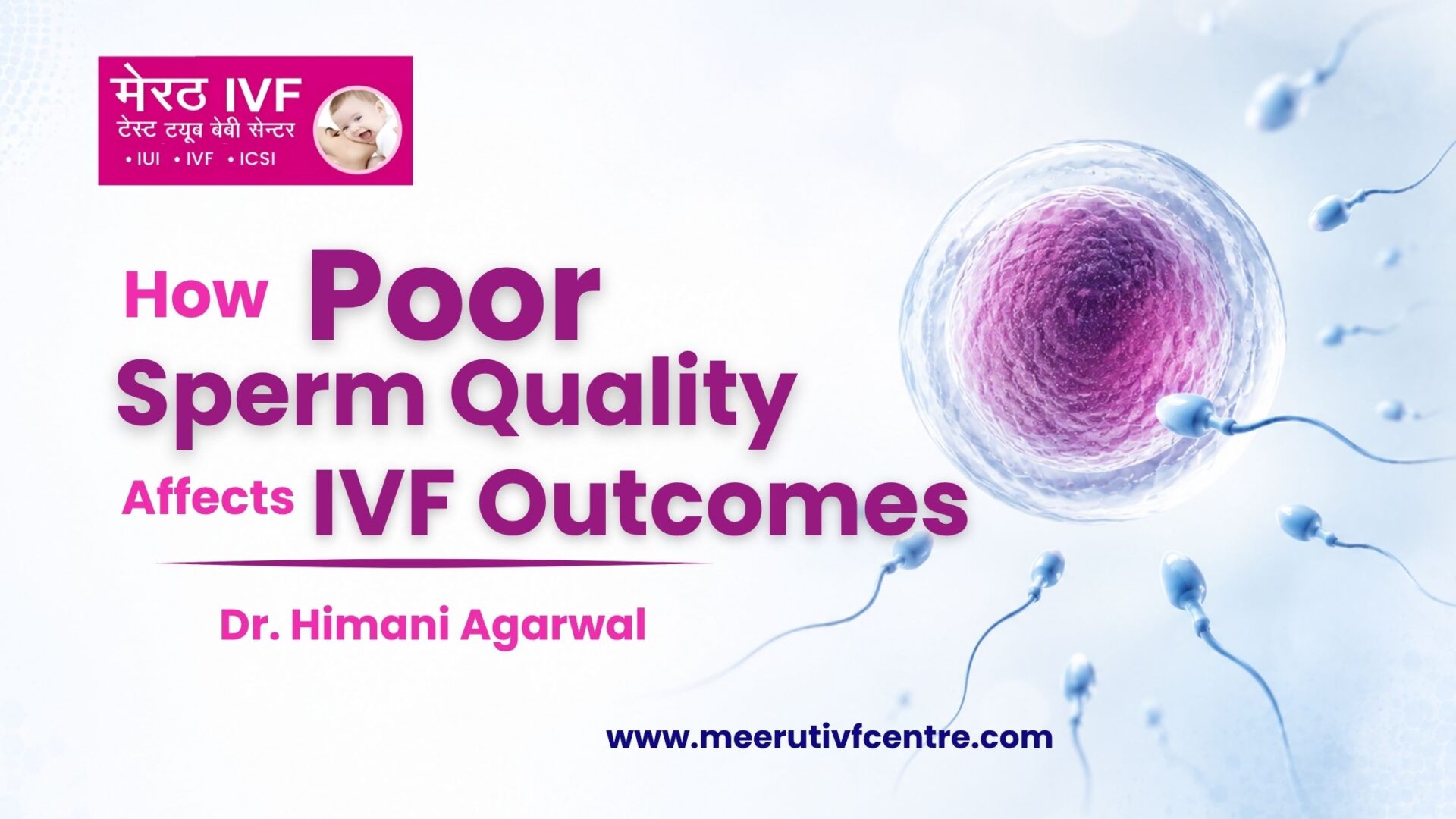
Infertility is often considered a female health issue, but male factors contribute to nearly 40–50% of infertility cases. One of the most common male fertility concerns is poor sperm quality, which can significantly impact the success of In Vitro Fertilization (IVF). Understanding how sperm health affects fertilization, embryo development, and pregnancy outcomes can help couples make informed decisions about fertility treatment.
If you and your partner are struggling to conceive, consulting specialists at Meerut IVF Center can help identify underlying fertility issues and recommend the most suitable treatment plan.
What Is Poor Sperm Quality?
Sperm quality is evaluated based on three primary factors:
1. Sperm Count
This refers to the number of sperm present in a semen sample. A low sperm count reduces the chances of successful fertilization.
2. Sperm Motility
Motility describes how effectively sperm can swim toward the egg. Poor motility makes it difficult for sperm to reach and fertilize the egg naturally or during IVF.
3. Sperm Morphology
Morphology refers to the size and shape of sperm. Abnormally shaped sperm may have difficulty penetrating the egg and achieving fertilization.
When one or more of these factors are compromised, fertility can be affected significantly.
How Poor Sperm Quality Impacts IVF Success
Reduced Fertilization Rates
For fertilization to occur, healthy sperm must successfully penetrate the egg. Men with low sperm count or poor motility often experience reduced fertilization rates during conventional IVF procedures.
When sperm quality is severely compromised, fertility specialists may recommend Intracytoplasmic Sperm Injection (ICSI), where a single healthy sperm is injected directly into the egg.
Poor Embryo Development
Sperm contribute half of the genetic material required for embryo formation. Damaged or abnormal sperm can affect embryo quality and development.
Poor-quality embryos may:
- Stop developing before reaching the blastocyst stage
- Have lower implantation potential
- Increase the likelihood of failed IVF cycles
Lower Implantation Rates
Even when fertilization occurs, embryos created from poor-quality sperm may have reduced implantation success. Implantation is a critical stage where the embryo attaches to the uterine lining and begins pregnancy.
Poor sperm DNA quality can negatively affect this process, reducing overall IVF success rates.
Increased Risk of Miscarriage
Research suggests that high levels of sperm DNA fragmentation may increase the risk of miscarriage. DNA damage in sperm can lead to chromosomal abnormalities, affecting embryo viability and pregnancy continuation.
Therefore, evaluating sperm health before IVF treatment is extremely important.
Common Causes of Poor Sperm Quality
Several factors can contribute to poor sperm quality, including:
- Smoking and tobacco use
- Excessive alcohol consumption
- Obesity
- Poor nutrition
- Stress and lack of sleep
- Exposure to environmental toxins
- Varicocele (enlarged veins in the scrotum)
- Hormonal imbalances
- Infections affecting the reproductive system
- Advanced paternal age
Identifying and treating these factors may improve sperm health and IVF outcomes.
Can IVF Work with Poor Sperm Quality?
Yes. Modern fertility treatments have made it possible for many men with poor sperm quality to become biological fathers.
Techniques commonly used include:
ICSI (Intracytoplasmic Sperm Injection)
ICSI is one of the most effective treatments for severe male infertility. A single healthy sperm is selected and injected directly into the egg, bypassing many fertilization barriers.
Advanced Sperm Selection Techniques
Specialized laboratory methods help embryologists identify the healthiest sperm for fertilization, increasing the chances of successful embryo development.
Surgical Sperm Retrieval
In cases where sperm are absent from the ejaculate, sperm can often be retrieved directly from the testes through minor surgical procedures.
At Meerut IVF Center, advanced fertility technologies and experienced specialists help couples overcome even complex male infertility challenges.
How to Improve Sperm Quality Before IVF
Couples planning IVF can take several steps to improve sperm health:
Maintain a Healthy Diet
Consume foods rich in antioxidants, vitamins, zinc, selenium, and omega-3 fatty acids.
Exercise Regularly
Moderate physical activity supports healthy hormone levels and sperm production.
Avoid Smoking and Alcohol
Reducing harmful habits can significantly improve sperm count and motility.
Manage Stress
Chronic stress may negatively affect reproductive hormones and sperm quality.
Take Fertility Supplements
Under medical supervision, supplements containing CoQ10, zinc, folic acid, and antioxidants may help improve sperm parameters.
Get Medical Evaluation
A comprehensive fertility assessment can identify treatable conditions affecting sperm quality.
Conclusion
Poor sperm quality can affect every stage of the IVF process, from fertilization and embryo development to implantation and pregnancy success. However, advances in reproductive medicine have dramatically improved outcomes for couples facing male infertility.
Early diagnosis and appropriate treatment can make a significant difference. If you are planning fertility treatment, consulting experts at Meerut IVF Center can help determine the best approach for achieving a successful pregnancy.
FAQs:
Yes. IVF, especially when combined with ICSI, can achieve successful pregnancies even in cases of severe low sperm count.
Yes. Sperm contribute half of the embryo's genetic material, so poor sperm quality can impact embryo development.
It refers to damage in the genetic material of sperm, which may reduce IVF success rates and increase miscarriage risk.
Sperm production takes approximately 70–90 days, so lifestyle improvements may show results within 2–3 months.
ICSI is often recommended for significant male-factor infertility because it improves fertilization rates by directly injecting sperm into the egg.