
Uterine fibroids are one of the most common gynecological conditions affecting women of reproductive age. While many women with fibroids can conceive naturally, some may experience difficulties getting pregnant due to the size, number, or location of these growths. Understanding the connection between fibroids and fertility is essential for couples planning a family. In certain cases, IVF (In Vitro Fertilization) may be recommended to improve the chances of pregnancy.
If you are struggling with infertility and have been diagnosed with fibroids, consulting fertility experts at Meerut IVF Centre can help determine the most suitable treatment approach for your individual needs.
What Are Uterine Fibroids?
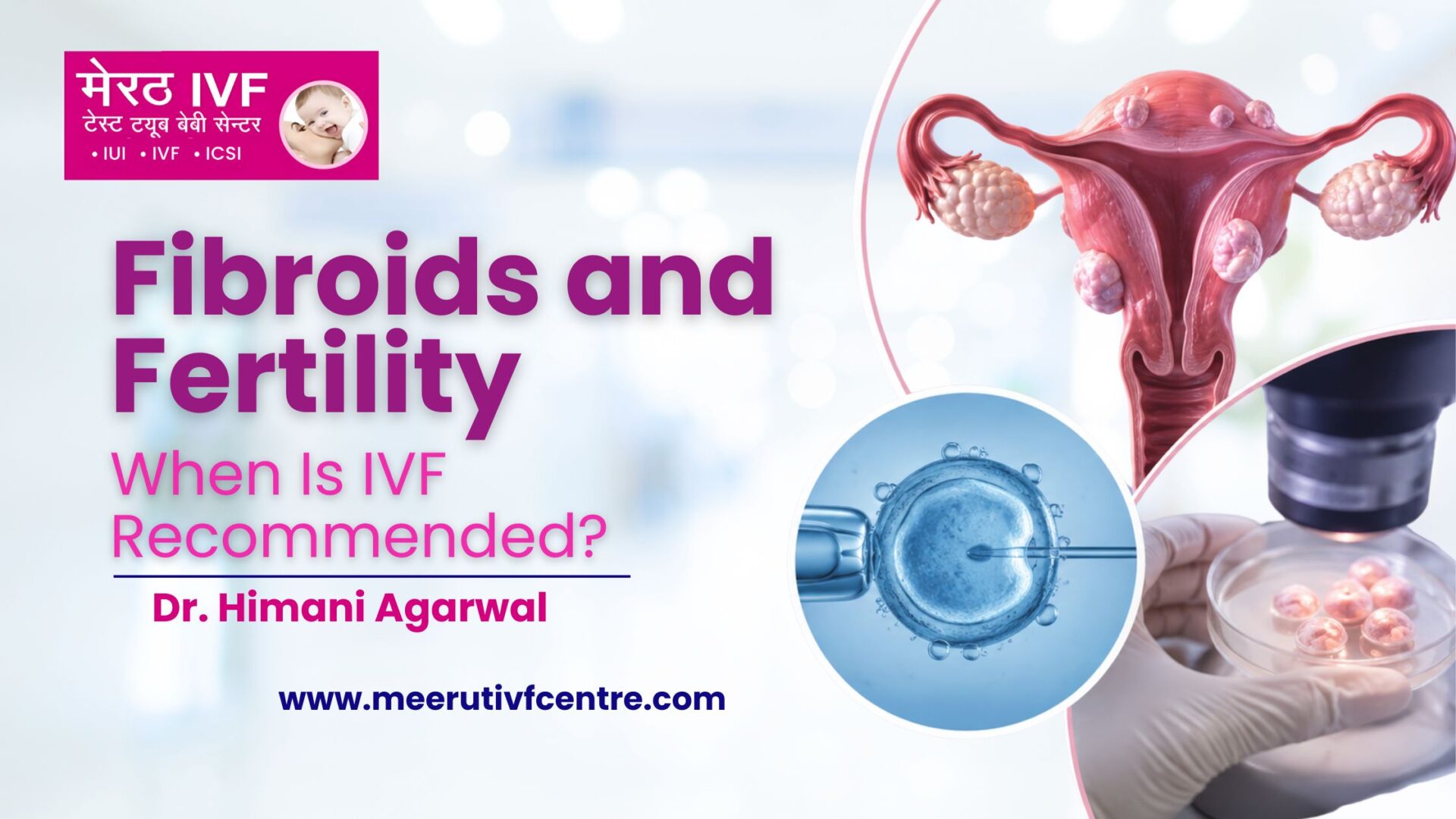
Fibroids, also known as leiomyomas, are non-cancerous growths that develop in or around the uterus. They can vary in size from tiny seedlings to large masses that can distort the shape of the uterus.
There are several types of fibroids:
- Intramural Fibroids: Grow within the muscular wall of the uterus.
- Submucosal Fibroids: Grow inside the uterine cavity.
- Subserosal Fibroids: Grow on the outer surface of the uterus.
- Pedunculated Fibroids: Attached to the uterus by a stalk-like structure.
While many women may not experience symptoms, others may have heavy menstrual bleeding, pelvic pain, frequent urination, or fertility challenges.
How Do Fibroids Affect Fertility?
Not all fibroids impact fertility. However, certain fibroids can interfere with conception and pregnancy by:
1. Distorting the Uterine Cavity
Submucosal fibroids can alter the shape of the uterus, making embryo implantation difficult.
2. Blocking Fallopian Tubes
Large fibroids may block the fallopian tubes, preventing the sperm from reaching the egg.
3. Affecting Blood Flow
Fibroids can reduce blood supply to the uterine lining, decreasing the chances of successful implantation.
4. Increasing Risk of Miscarriage
Some fibroids may contribute to recurrent pregnancy loss or complications during pregnancy.
5. Causing Hormonal Imbalances
Although uncommon, fibroids can sometimes influence the reproductive environment, affecting fertility.
Can You Get Pregnant Naturally with Fibroids?
Yes. Many women with fibroids conceive naturally and have healthy pregnancies. The likelihood depends on factors such as:
- Size of the fibroids
- Location within the uterus
- Number of fibroids
- Age of the woman
- Overall reproductive health
If fibroids are small and do not affect the uterine cavity, natural conception may still be possible.
When Is IVF Recommended for Women with Fibroids?
IVF may be recommended when fibroids are contributing to infertility and natural conception has not been successful. Fertility specialists carefully evaluate the impact of fibroids before suggesting IVF.
IVF May Be Recommended If:
1. Pregnancy Has Not Occurred After Other Treatments
If a couple has tried fertility medications, timed intercourse, or IUI without success, IVF may offer a better chance of pregnancy.
2. Fibroids Are Affecting Implantation
Submucosal or large intramural fibroids that distort the uterine cavity can reduce implantation rates. In such cases, IVF may be recommended after appropriate treatment.
3. Advanced Maternal Age
Women over 35 with fibroids and declining ovarian reserve may benefit from IVF to maximize their chances of conception.
4. Multiple Fertility Factors Exist
If fibroids are present along with male infertility, blocked tubes, or diminished ovarian reserve, IVF often becomes the most effective treatment option.
5. After Fibroid Removal Surgery
Some women undergo myomectomy (fibroid removal surgery) and then proceed with IVF to improve pregnancy outcomes.
Should Fibroids Be Removed Before IVF?
The decision depends on the type, size, and location of the fibroids.
Doctors may recommend removal if:
- Fibroids distort the uterine cavity
- Fibroids are larger than 4–5 cm
- Repeated IVF failures have occurred
- Fibroids cause significant symptoms
Not all fibroids require surgery before IVF. Your fertility specialist will determine the best course of action based on diagnostic tests and imaging studies.
IVF Success Rates in Women with Fibroids
IVF success rates vary depending on age, egg quality, sperm quality, and the severity of fibroids. Women whose fibroids are appropriately managed before IVF often achieve pregnancy rates comparable to those without fibroids.
At Meerut IVF Centre, advanced fertility evaluations and personalized treatment plans help improve outcomes for women dealing with fibroids and infertility.
Conclusion
Fibroids do not always prevent pregnancy, but they can significantly affect fertility in some women. The impact depends largely on their size and location within the uterus. If fibroids are interfering with conception or causing repeated fertility challenges, IVF may be recommended as an effective treatment option.
Early diagnosis, proper evaluation, and individualized fertility care can greatly improve the chances of a successful pregnancy. Seeking expert guidance from Meerut IVF Centre can help you understand your options and choose the most appropriate path toward parenthood.
FAQs:
Yes, certain fibroids—especially submucosal fibroids—can interfere with implantation and increase the risk of infertility.
No. Only fibroids that affect the uterine cavity, are large, or cause symptoms may require removal before IVF.
Yes. Many women with fibroids achieve successful pregnancies through IVF, particularly when fibroids are properly managed.
Yes, fibroids can recur after myomectomy, especially in younger women. Regular follow-up is recommended.
Fibroids are typically diagnosed using ultrasound, hysteroscopy, MRI, or other imaging tests to assess their size and location.